
Online Shopping in Pakistan: The Complete 2026 Guide
Reviewed by the KunShop Product Research Team | Updated 2026
Ten years back, if your phone charger died, you went to the market for a new one. Simple as that. These days most people just scroll, tap, pay cash when it shows up at the door. That change happened quicker in Pakistan than a lot of people saw coming, and honestly it’s still speeding up going into 2026. kunshop.pk is part of that story too, though its approach is a bit different — instead of trying to sell everything under the sun, it sticks to a handful of categories and tries to do those well. This guide walks through how online shopping actually works here, which platforms are worth your trust, and the mistakes that trip up almost every first-time buyer.
What Is Online Shopping and How Does It Work in Pakistan?
It’s not really complicated once you break it down. Browse a website or app, pick something you want, pay for it (cash on arrival most of the time, sometimes online), and a courier turns up with your order a few days later. What you don’t see is everything happening in between — stock checks, order confirmation, the handoff between seller and courier company that has to go right for your package to actually arrive.
The Basic Online Shopping Process
- Browse: Search or filter products by category, brand, or price on the store’s website or app
- Select: Check product details, size, color, and specifications before adding to cart
- Order: Enter your delivery address and confirm the order at checkout
- Pay: Choose cash on delivery or an online payment method depending on the store
- Receive: Track the shipment and receive the package through a courier partner
Why Online Shopping Is Growing So Fast in Pakistan
A few things happened around the same time. Mobile data got a lot cheaper. Couriers started showing up in towns that never used to get next-day anything. And cash on delivery solved the one thing that used to scare people off — nobody wants to pay a stranger’s website upfront and just hope for the best. Add cheap social media ads and the fact that you can compare five prices without leaving your couch, and the growth stops being a mystery.
Best Online Shopping Websites and Apps in Pakistan
Not every store runs the same playbook, and that’s worth knowing before you just pick whatever pops up first on Google. Big marketplaces list millions of products from thousands of different sellers. Smaller, focused stores — kunshop.pk falls into this camp — stick to a narrower lineup like electronics, accessories, and personal care items, usually with more detail packed into each product page.
- Marketplace platforms: Large multi-category sites offering everything from electronics to groceries under one roof
- Category-focused stores: Smaller platforms like kunshop.pk that specialize in a narrower product range, often with more detailed product information
- Fashion-first retailers: Stores built mainly around clothing, footwear, and accessories
- Grocery and daily-needs apps: Platforms focused on fast delivery of household essentials
- Social commerce sellers: Instagram and Facebook shops run by individuals or small businesses
Bigger doesn’t automatically mean better here. If you already know exactly what you’re after, a focused store can save you real time — the product page usually just answers your question instead of leaving you to scroll through ten near-identical listings guessing which one’s legit. That’s true whether you’re after mobile and computer accessories, a new bag or wallet — a category-focused page tends to get you to a decision faster.
Payment Methods for Online Shopping in Pakistan
How you pay changes both how convenient the purchase feels and how much risk you’re carrying, so it’s worth knowing the options before you hit checkout.
- Cash on Delivery (COD): Pay in cash when the package arrives, still the most trusted method for new or first-time buyers
- Debit and credit cards: Instant payment at checkout, often protected by a one-time password (OTP) sent to your phone
- Bank transfer: Direct transfer to the seller’s account, more common for high-value or custom orders
- Mobile wallets: Digital wallet apps that let you pay without entering full card details each time
- Partial advance plus COD: Some sellers ask for a small advance with the rest paid on delivery, mostly for bulky or custom items
COD still wins out for one plain reason: you’re not handing over money for something you haven’t laid eyes on yet. Cards are catching up though, especially now that banks bolted on extra OTP steps to make people feel safer using them.
How to Shop Safely Online in Pakistan
Buying from a store you already know is safe more often than not. But scams still happen, and it helps to actually know what one looks like before you’re staring at it.
How to Spot a Fake or Untrusted Website
Check for “https” in the URL, a phone number that actually works, and a return policy written down somewhere you can find it. Zero reviews, a domain that was registered last week, prices that feel a bit too generous — any one of those alone might mean nothing, but two or three together should make you pause.
Common Online Shopping Scams and How to Avoid Them
- Fake listings: Products advertised at unrealistically low prices to lure quick payments
- Phishing links: Fake order-confirmation messages that ask you to click and enter card details
- Advance payment fraud: Sellers demanding full payment upfront with no COD option or refund guarantee
- Counterfeit products: Items delivered that don’t match the original branding or specifications shown online
- Fake courier calls: Scammers posing as delivery agents asking for OTPs or extra payment before delivery
The State Bank of Pakistan has said this more than once, and it’s worth repeating: no real bank or store will ever call or text asking for your OTP, PIN, or CVV. If that happens, you already have your answer.
Safe Payment and Data Protection Tips
Stick to COD the first time you try a new store, no exceptions really. Use a password for shopping accounts that you’re not reusing everywhere else. And don’t save your card number on a phone or laptop other people also use.
How to Compare Prices and Products Before Buying
The price tag alone won’t tell you much. Read the full spec list, see if a warranty is actually mentioned anywhere (not just implied), and check two or three sellers before you commit. This is honestly where category-focused stores tend to pull ahead — a kunshop.pk product page, whether it’s a smart watch or a bottle of perfume, usually spells out the specs and buying guidance clearly enough that you’re not stuck piecing together what you’re actually getting from a vague marketplace listing.
Delivery, Returns, and Exchange Policies Explained
Delivery windows shift depending on your city, the courier handling it, and what exactly you ordered, so check the estimate on the product page instead of assuming it’ll match your last order from somewhere else. Return policies work the same way — nothing standard about them across stores. Some cover the return shipping cost, some don’t. Some give you a week to decide, others less. Read the actual policy on whatever site you’re buying from before deciding a deal is worth it.
Advantages and Disadvantages of Online Shopping
- Convenience: Shop anytime without traveling to a physical store
- Price comparison: Easily compare prices across multiple sellers before buying
- Wider selection: Access products that may not be available in local markets
- Doorstep delivery: Orders arrive directly at your home or office
- Limited physical inspection: You can’t touch or try the product before it arrives
That last one’s the real tradeoff, and no amount of good marketing changes it. You gain convenience and choice, but you give up the chance to hold something in your hands before it’s yours — which is exactly why honest photos and clear specs matter more online than they ever did standing in a shop.
Online Shopping Trends in Pakistan for 2026
Phones have pretty much taken over from desktop browsers when it comes to placing orders. Digital payments are slowly creeping up next to COD as banks tighten their verification steps, and more shoppers seem to be leaning toward stores built around one category instead of sprawling generic marketplaces — probably because a focused store just tends to know its own products better.
Tips for First-Time Online Shoppers
- Start small: Place a lower-value order first to test a new store’s reliability
- Read reviews: Check ratings and feedback from other buyers before ordering
- Save order confirmations: Keep screenshots of your order and payment details until delivery
- Track your package: Use the tracking link provided to monitor delivery progress
- Ask before you pay: Contact customer support if any product detail is unclear
Frequently Asked Questions
Is online shopping safe in Pakistan?
Mostly, yes — as long as you’re buying from a store with real contact details and a written return policy. If it’s a site you’ve never heard of, stick to cash on delivery until you know how they operate.
What is the safest payment method for online shopping in Pakistan?
Cash on delivery is the safer bet for a first purchase, since nothing’s paid until the product is actually in your hands. Card payments with OTP verification are fine too, once you trust the store.
How long does delivery usually take?
Depends on the store, the courier, and your city. Check the delivery estimate listed on the specific product page rather than assuming a fixed number applies everywhere.
Can I return a product if it doesn’t match the description?
Most stores allow it within a stated window, but the exact terms differ a lot, so check the return policy on that particular site before you order.
Are smaller, category-focused stores better than large marketplaces?
Depends what you’re shopping for. A focused store like kunshop.pk often gives clearer product details and more specific support within its categories. A marketplace wins purely on selection size.
Final Verdict
Online shopping in Pakistan has largely moved past the trust issues that used to hold it back, and 2026 shoppers have more solid options than they did even a couple of years ago. The safest habit is still a simple one: use COD when trying something new, compare before you buy, and pick stores that are upfront about their policies. Whether you’re browsing electronics or beauty and personal care items, a platform like kunshop.pk that sticks to getting the details right can take a lot of the guesswork out of it. Start with something small, see how the store handles it, and go from there.
Top Sellers
-
Sale!

Men’s Spider Hoodie
₨ 4,500Original price was: ₨ 4,500.₨ 2,899Current price is: ₨ 2,899. -
Sale!

Pack of 2 Men’s Sweatshirts
₨ 6,000Original price was: ₨ 6,000.₨ 3,499Current price is: ₨ 3,499. -
Sale!
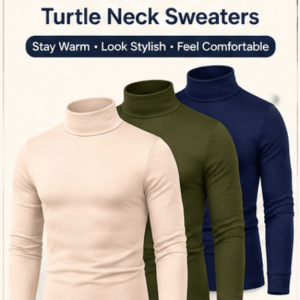
Pack of 3 Men’s High Neck Sweaters
₨ 5,500Original price was: ₨ 5,500.₨ 3,499Current price is: ₨ 3,499. -
Sale!

Pack of 3 Men’s Round Neck Sweater
₨ 6,500Original price was: ₨ 6,500.₨ 4,800Current price is: ₨ 4,800. -
Men’s Round Neck Sweater
-
Sale!
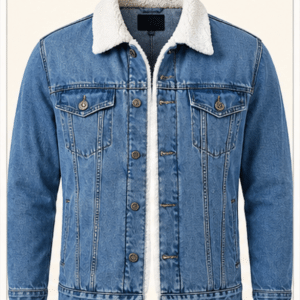
Men’s Blue Sherpa Denim Jacket
₨ 8,000Original price was: ₨ 8,000.₨ 4,499Current price is: ₨ 4,499. -
Sale!

Pack of 2 Nike Plain Men’s Hoodies
₨ 6,700Original price was: ₨ 6,700.₨ 4,499Current price is: ₨ 4,499. -
Sale!
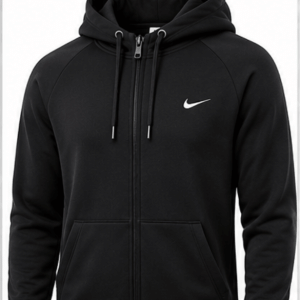
Nike Men’s Zipped Hoodie
₨ 3,500Original price was: ₨ 3,500.₨ 2,100Current price is: ₨ 2,100. -
Sale!

Men’s Oversized Hoodie
₨ 2,700Original price was: ₨ 2,700.₨ 1,999Current price is: ₨ 1,999. -
Sale!
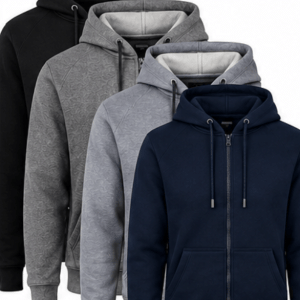
Pack of 3 Men’s Zipper Hoodie
₨ 9,999Original price was: ₨ 9,999.₨ 6,999Current price is: ₨ 6,999. -
Sale!
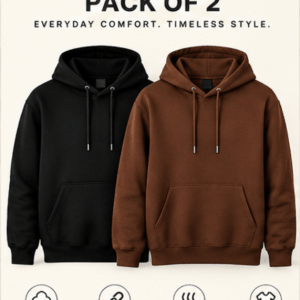
Pack of 2 Basic Hoodies
₨ 8,000Original price was: ₨ 8,000.₨ 4,899Current price is: ₨ 4,899. -
Sale!
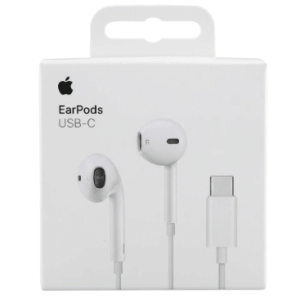
Apple Type C Handfree
₨ 1,999Original price was: ₨ 1,999.₨ 1,599Current price is: ₨ 1,599.